
India’s agricultural markets stand at a defining crossroads. For decades, mandis, the backbone of agricultural trade, have connected farmers, traders, and consumers. Yet the operational foundation of many mandis continues to rely on manual processes, fragmented data systems, and delayed information flows. In an era driven by artificial intelligence, data analytics, and digital platforms, the absence of deep digitalization at the core levels of mandi operations has become one of the biggest barriers to agricultural efficiency and farmer prosperity.
Modernizing these marketplaces is no longer a matter of technological aspiration, it is a national economic imperative. With initiatives such as AGMARKNET led by the Directorate of Marketing and Inspection, India has already laid the foundation for digital agricultural market intelligence. However, the real transformation will occur only when digital systems penetrate the core operational layers of mandis, from farmer entry to price discovery and settlement.
Digitalization at the mandi level has the potential to transform agricultural markets into transparent, data-driven ecosystems that empower farmers, strengthen market efficiency, and enable smarter policymaking.
The Structural Challenges Inside Mandis
India’s agricultural marketing system operates through a network of more than 7,000 regulated wholesale markets and sub-markets governed under the Agricultural Produce Market Committee (APMC) framework. These markets collectively handle enormous volumes of agricultural trade every day. However, the operational processes behind this trade remain largely manual.
Data related to crop arrivals, prices, and transactions is often recorded through multiple layers of manual entry. This fragmented system results in delayed data availability and inconsistencies in market reporting. When data accuracy is compromised, it undermines the ability of farmers, traders, and policymakers to make informed decisions.
In many mandis, price updates are still dependent on handwritten registers or local reporting mechanisms. By the time this information reaches national platforms such as AGMARKNET, the delay reduces its real-time value. For farmers making critical selling decisions, delayed information can mean lost income opportunities.
Furthermore, quality grading, transaction records, and payment settlements often lack digital traceability, making the system vulnerable to inefficiencies and lack of transparency.
The Case for Core-Level Digital Transformation
True digital transformation in mandis must extend beyond simple data reporting. It requires the end-to-end digitization of mandi operations.
- Digital Farmer Registration and Market Entry
The first interaction in any mandi is the arrival of farmers and their produce. A digital registration system can create verified farmer identities linked to national databases, enabling seamless market participation. It also helps build transaction histories that support access to credit, crop insurance, and government schemes, while providing structured data for better agricultural policymaking.
- Smart Arrival Tracking and Inventory Visibility
One of the most critical gaps in mandis is the lack of real-time arrival tracking. Digital gate-entry systems can instantly capture produce arrivals, creating a live inventory view of the market. This enables administrators to monitor commodity volumes, peak arrivals, and storage availability in real time, reducing congestion, improving operations, and helping traders make better purchasing decisions.
- AI-Based Assaying and Quality Grading
Quality assessment plays a vital role in price discovery in agricultural markets, yet traditional grading often relies on manual inspection, leading to inconsistencies. Digital platforms can integrate AI-driven assaying systems that analyze grain quality using image recognition and machine learning. This enables standardized grading based on defined parameters, ensuring fairer pricing for farmers. AI can also support automated quality verification for crops like wheat and paddy, enhancing transparency in the auction process.
- Digital Auction and Price Discovery
The auction process remains central to mandi trading, yet traditional auctions often limit participation to local buyers and lack transparent records. Electronic auction platforms can expand the buyer network, enabling traders from multiple regions to participate and driving more competitive pricing for farmers. These platforms also generate valuable data on demand patterns, price trends, and trading volumes across markets.
- Instant Payment Settlement
Delayed payments are a major concern for farmers selling in mandis. Digital payment integration can enable instant settlements directly into farmers’ bank accounts. Automated invoices, digital receipts, and payment verification reduce reliance on intermediaries and build trust in the ecosystem, while faster payments improve farmers’ liquidity for the next crop cycle.
- Data Intelligence for Market Forecasting
Perhaps the most transformative impact of digitalization lies in data intelligence.
With integrated digital systems, mandi platforms can analyze large volumes of agricultural data to generate insights such as:
- Price forecasting
- Demand projections
- Commodity arrival trends
- Early warning alerts for price volatility
Such insights allow farmers to plan crop sales strategically while enabling policymakers to respond proactively to market disruptions.
Digital systems can also enable price-trigger alerts, notifying farmers when market prices cross predefined thresholds. This empowers them to make timely decisions about when and where to sell their produce.
A Vision for Mandi 2.0
Forward-looking technology solutions are already emerging to address these challenges. Innovative digital platforms combine mobile applications, AI-powered analytics, and automated data capture technologies such as Optical Character Recognition (OCR) to streamline mandi operations.
These platforms allow market data, from sale receipts to commodity prices, to be captured instantly and made available to all stakeholders in real time. Farmers can access mandi prices through mobile applications, while policymakers gain a holistic view of agricultural trade dynamics.
Technology-led initiatives led by companies such as Dexian are exploring advanced solutions that bring together artificial intelligence, data analytics, and digital platforms to strengthen agricultural market intelligence. By leveraging experience from large-scale Agri-digital platforms, such solutions aim to modernize mandi data collection and dissemination processes while ensuring scalability and reliability.
The vision is clear: mandis must evolve from physical trading yards into intelligent digital marketplaces.
The Road Ahead
India’s agricultural future will increasingly depend on how effectively technology is embedded within the country’s market infrastructure. Digitalizing mandis is not merely about automation, it is about creating a transparent and efficient agricultural economy where information flows seamlessly across stakeholders.
When mandi operations become fully digital, farmers gain access to real-time market intelligence, traders benefit from transparent transactions, and policymakers receive reliable data to guide agricultural strategies.
In essence, digitalization can transform mandis into engines of agricultural prosperity, enabling India’s farming community to participate confidently in a modern, data-driven marketplace.
The next phase of agricultural reform will therefore not be defined solely by policy, but by the intelligent digital platforms that power India’s mandis from the ground up.
About The Author:
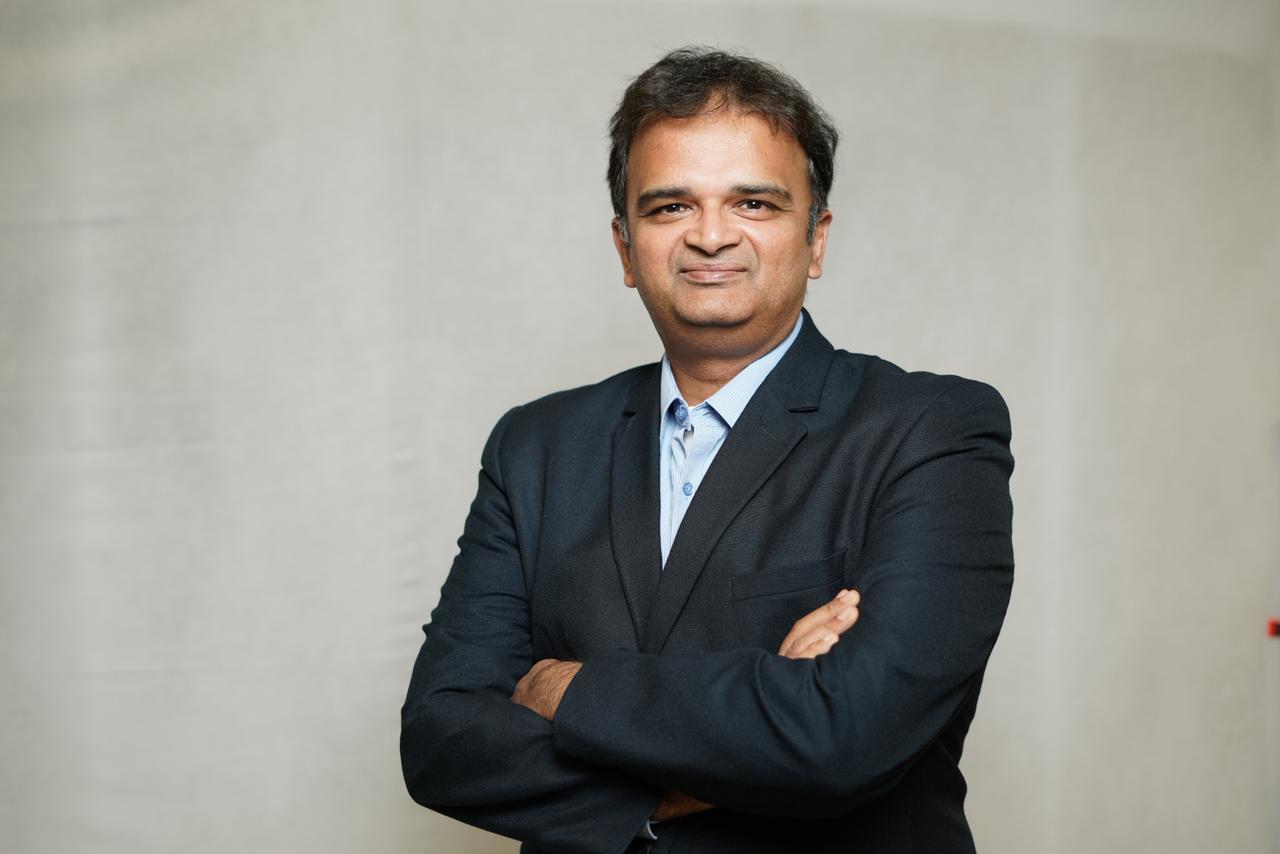
Venkat Lakshminarasimha – Executive Director, Solutions – India & Middle East at Dexian India
Venkat Lakshminarasimha, Head of Solutions for India and the Middle East at Dexian India, is a distinguished leader in business and product management. His expertise in digital transformation spans IT enterprises, government bodies, and the AgriTech sectors. Venkat is adept at converting complex client needs into innovative, actionable solutions through a consultative approach. His close collaboration with clients on software development, product launches, and lifecycle management ensures smooth transitions and long-term success.
Under Venkat’s leadership, Dexian’s Managed Services have expanded globally, with him overseeing hundreds of engineers across the US, the Middle East, and India in pioneering digital transformation and cognitive projects. He has been instrumental in establishing Centers of Excellence in data science, AI/ML, and AR/VR, showcasing his dedication to advancing engineering talent and fostering innovation. Venkat’s visionary leadership continues to drive excellence and growth in the rapidly evolving tech landscape.
